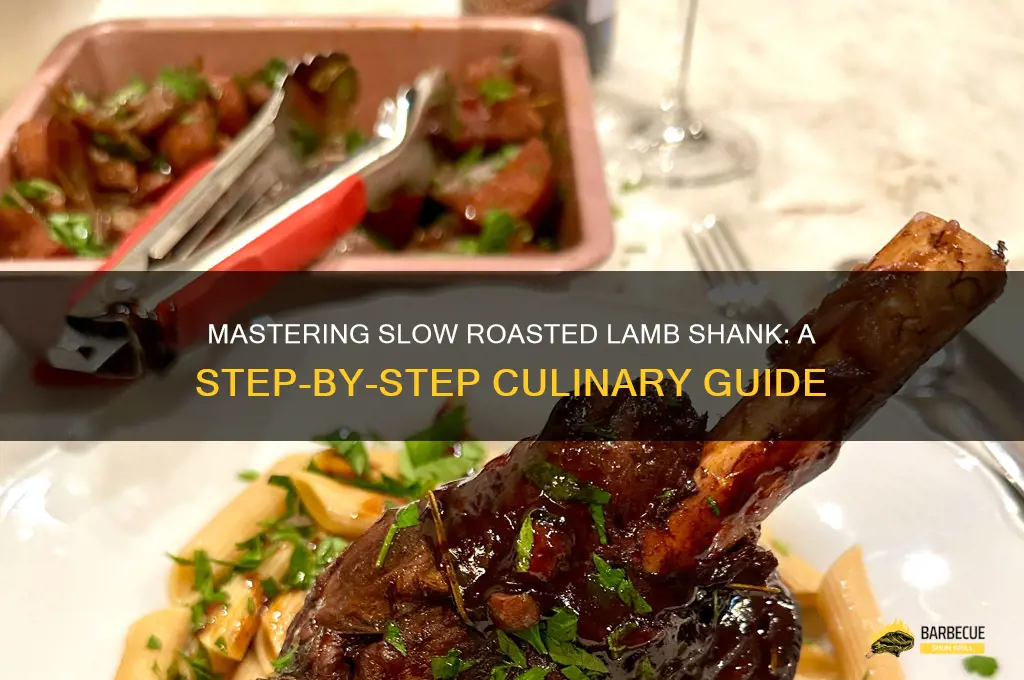
Imagine a dish so succulent, so tender, the meat practically whispers its goodbyes to the bone with the slightest nudge of a fork. A deep, rich aroma fills your kitchen, promising warmth and comfort on a chilly evening. This culinary dream is not reserved for Michelin-star chefs; it's the beautiful reality of perfectly braised lamb shanks. Often perceived as a complex, intimidating cut, lamb shanks are, in fact, incredibly forgiving and, with a little patience and the right technique, yield an impressive, fall-off-the-bone masterpiece.
The secret lies in a method as old as time: low and slow cooking. This guide will walk you through transforming these humble cuts into an unforgettable meal, perfect for a cozy family dinner or a show-stopping feast for guests.
The Humble Shank: A Culinary Treasure
The lamb shank is a cut of meat derived from the lower section of the lamb's leg, an area that gets significant exercise. This means it's packed with connective tissue, which, while making the meat tough if cooked quickly, is also the source of its incredible flavor. Unlike more delicate cuts, shanks are budget-friendly, yet when prepared correctly, they deliver a richness and depth that rivals the most expensive cuts. Their inherent toughness is actually a gift, as it means they are ideally suited for braising – a cooking method that slowly breaks down those connective tissues into gelatin, resulting in a luscious, melt-in-your-mouth texture that epitomizes comfort food.
Mastering the Art of Braising Lamb Shanks: The Low & Slow Secret
Braising is a two-step process: first, searing the meat, then simmering it in liquid for an extended period. For lamb shanks, this method is not just recommended; it's essential for achieving that coveted tender, juicy result.
Step 1: The All-Important Sear
Before any liquid touches your pan, the shanks need a good, aggressive sear. This isn't just for aesthetics; it's crucial for flavor development. The Maillard reaction, the chemical process behind browning, creates hundreds of new flavor compounds that will infuse into your braising liquid. Skip this step, and you'll miss out on a significant layer of depth.
Heat a generous amount of oil in a large, heavy-bottomed skillet or Dutch oven over medium-high heat. Season your lamb shanks generously with salt and freshly ground black pepper on all sides. Working in batches if necessary to avoid overcrowding the pan (which would steam the meat instead of searing it), brown the shanks thoroughly on all sides. This can take anywhere from 15 to 30 minutes, so be patient. A deep, dark crust is what you're aiming for – it's pure flavor concentrated on the surface.
Step 2: Building the Aromatic Liquid Foundation
Once your shanks are beautifully seared, remove them from the pan and set them aside. Pour off any excess fat, leaving just a tablespoon or two. This is where the magic of the braising liquid begins. Deglaze the pan with a splash of red wine or stock, scraping up all those flavorful browned bits stuck to the bottom – this is called "fond" and it's liquid gold. Add your aromatics: chopped onions, garlic, carrots, and celery (often referred to as a mirepoix) form a classic base. Sauté them until softened and fragrant, allowing their sweetness to develop.
Next, introduce the herbs and spices. Fresh rosemary and thyme are quintessential partners to lamb, lending an earthy, aromatic perfume. Tomatoes, whether crushed or as paste, add acidity and umami, enriching the sauce. For an extra layer of complexity and a nod to global inspirations, consider warming spices like a pinch of cinnamon or nutmeg, which beautifully complement the richness of lamb. Finally, return the shanks to the pot and pour in your braising liquid – typically red wine, beef stock, or a combination. The liquid should come about two-thirds of the way up the shanks; you want them to braise, not boil.
Step 3: The Long, Gentle Simmer (Braising)
This is where "low and slow" truly comes into play. Bring the liquid to a gentle simmer on the stovetop, then cover the pot tightly. You can either continue to cook it on very low heat on the stove, or, preferably, transfer it to a preheated oven set at a low temperature (around 300-325°F / 150-160°C). The oven provides more even, consistent heat from all directions, ensuring a tender result without scorching.
Allow your lamb shanks to braise for approximately 1½ to 2½ hours, or even longer, depending on their size and initial toughness. The goal is to cook them until the meat is fork-tender and easily pulls away from the bone. Check periodically to ensure the liquid isn't reducing too much, adding a little water or stock if needed. This long, gentle cooking process gradually breaks down the tough collagen in the connective tissues, transforming it into rich, silky gelatin, giving the sauce body and the meat its unbelievably tender texture.
Beyond the Braise: Serving Suggestions & Creative Uses
A beautifully braised lamb shank is a meal in itself, but the accompanying sauce is truly divine and begs to be soaked up. Classic pairings include creamy mashed potatoes (especially roasted garlic mashed potatoes!), polenta, orzo pasta, or even a fragrant Lebanese rice. Don't forget a vibrant green vegetable on the side, such as sautéed broccoli, green beans, or asparagus, to cut through the richness and add a pop of color.
One of the many benefits of this dish is its make-ahead potential. In fact, many chefs argue that braised lamb shanks taste even better the next day, after the flavors have had time to meld and deepen overnight. This makes them an ideal choice for entertaining or holiday meals, allowing you to do all the heavy lifting in advance. When serving make-ahead shanks, simply refrigerate them in their sauce, then gently reheat on the stovetop or in the oven. When cold, it's also much easier to skim off any solidified fat from the top of the sauce, resulting in a lighter, cleaner finish. For more tips on preparing this dish in advance, check out our guide on Effortless Holiday Feasts: Make-Ahead Braised Lamb Shanks.
Don't be afraid to get creative with any leftover meat or sauce! Shred the tender lamb and use it in a rich tomato sauce with pasta, incorporate it into an aromatic Indian lamb curry served with basmati rice, or even craft a unique soy-ginger bok choy braise. The possibilities are endless for transforming this versatile dish. Explore diverse flavor profiles and pairings in our article: Rich & Flavorful Braised Lamb Shanks: Global Twists & Pairings.
Tips for Perfection and Troubleshooting
- Don't Rush the Sear: This step builds the flavor foundation. A good crust is paramount.
- Taste Your Liquid: Before adding the shanks, taste your braising liquid and adjust seasonings. It should be robust but not overly salty, as it will reduce and concentrate.
- Use a Heavy Pot: A Dutch oven or heavy-bottomed casserole dish distributes heat evenly, preventing hot spots and scorching.
- Cover Tightly: A tight-fitting lid is crucial for retaining moisture and ensuring the shanks braise effectively rather than drying out. If your lid isn't perfectly snug, you can place a piece of parchment paper directly on the surface of the liquid before placing the lid.
- Patience is Key: Resist the urge to constantly check. Let the oven (or stovetop) do its work. The goal is "fall-off-the-bone," which takes time.
- Resting Period: Once cooked, allow the shanks to rest in their sauce for 10-15 minutes before serving. This allows the juices to redistribute, resulting in even juicier meat.
The journey to fall-off-the-bone lamb shanks is a rewarding one. While it requires patience, the actual hands-on work is minimal. The aroma that will fill your home, the anticipation of that first tender bite, and the sheer satisfaction of creating such an impressive yet remarkably simple dish are unparalleled. Embrace the low and slow method, and you'll discover a culinary secret that will impress everyone at your table.
